
If you’ve got a hip or knee replacement coming up, you’re probably feeling a mix of relief and nerves. Relief because you’re finally doing something about the pain. Nerves because you’ve heard the stories: the early discomfort, the fear of moving the wrong way, the worry that you’ll “never feel normal again.”
Here’s the truth. Surgery is a big step, but it’s not the whole solution. The people who do best long-term are usually the ones who treat it like a project with two phases: build capacity before surgery, then rebuild function after. That’s prehab to rehab — and it can make the entire process feel more predictable, more comfortable, and much faster.
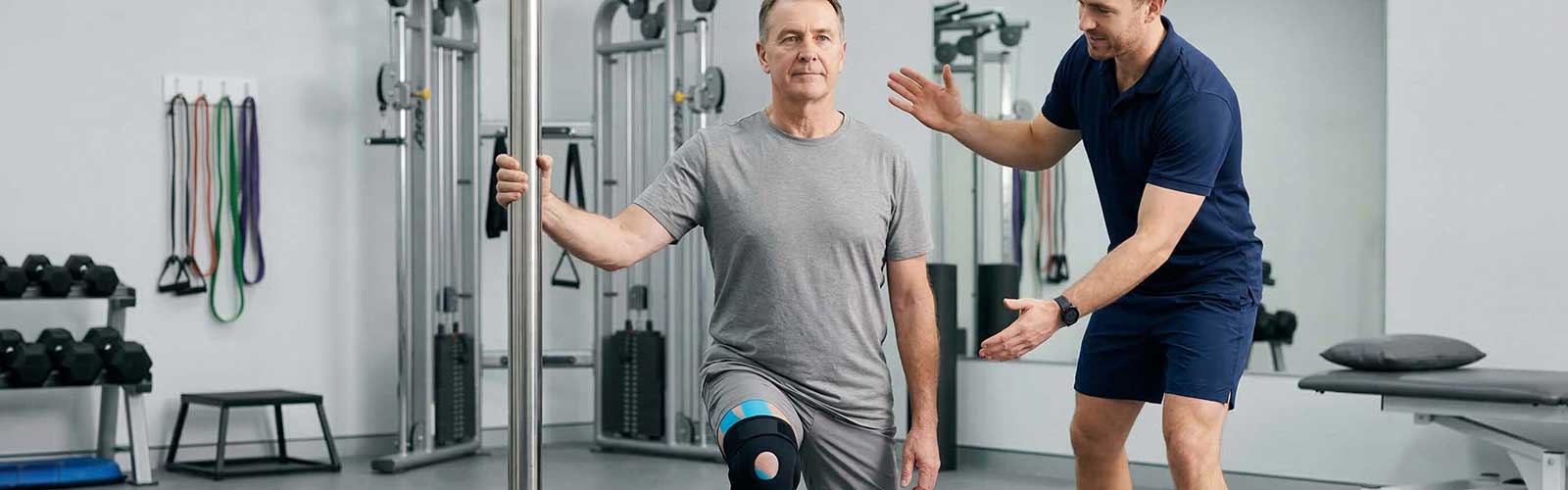
Why prehab matters more than you think
Prehab is targeted training in the weeks leading into surgery. The goal isn’t to “fix” the joint — it’s to strengthen the muscles and movement patterns that will carry you through the first few weeks after the operation.
When you go into surgery stronger, you tend to stand up sooner, walk sooner, and regain confidence faster. It also reduces that “shock to the system” feeling after the hospital phase, because your body already knows the movements you’ll be doing in rehab.
The timeline in plain English
Everyone’s pathway is slightly different depending on your surgeon, the joint involved, and your medical history. But the journey typically follows a similar arc.
In the weeks before surgery, the focus is strength, range of motion, walking tolerance, and learning the early rehab movements so they feel familiar.
The first two weeks after surgery are about swelling control, safe walking, gentle range and building confidence with the basics. Think short, frequent sessions rather than long workouts.
Weeks three to six are where strength starts to return. Your walking becomes smoother, stairs feel less daunting, and you move from “getting through the day” to “building capacity again.”
Weeks six to twelve are where most people really notice the shift. Movement feels more natural, endurance improves, and daily activities feel easier. This is also where quality strength work matters most for long-term outcomes.
Beyond three months, the focus becomes resilience: rebuilding leg strength, balance and power so you return to the activities you want, not just “walking around the house.”
Key milestones to aim for
For most people, the early wins are very practical. Standing up from a chair with less pain. Walking to the letterbox without thinking about every step. Getting in and out of the car smoothly. Sleeping better because the joint isn’t throbbing. Taking stairs with more confidence. These milestones matter because they’re the bridge back to normal life.
Must-do prehab: what to do before surgery
Before a hip or knee replacement, the priorities are simple: strengthen the legs and trunk, keep the joint moving as comfortably as possible, and practise the movements you’ll need right after surgery.
We typically spend time on sit-to-stands and chair squats, because getting up and down is one of the most important daily tasks. We build hip and glute strength, because strong hips protect both the hip and the knee. We strengthen the quads and calves, because they drive walking and stair work. We include balance and single-leg control in safe, supported ways so you feel stable on the operated side later. We also improve walking tolerance, even if it’s in shorter blocks, because the fitter you are going in, the easier recovery usually feels.
Just as important, we teach pacing. Many people try to “save themselves” by doing nothing pre-surgery, then they lose strength and the first month post-op feels harder than it needs to.
Must-do rehab: what matters after surgery
After surgery, the early phase is not about pushing through pain. It’s about restoring basic movement patterns and building up gradually.
Walking is a cornerstone because it restores gait mechanics, circulation and confidence. But “more” isn’t always better early on. Short, frequent walks tend to outperform one big walk that leaves you swollen and sore for the next 24 hours.
Strength then becomes the engine of recovery. Once your surgeon clears you for progressive loading, you’ll get the best outcomes by rebuilding the muscles that stabilise the joint and drive function: glutes, quads, hamstrings and calves. We return to the movements that matter: sit-to-stands, step-ups, hip hinges and supported split-stance work. We also rebuild balance and control because falls risk increases when confidence and leg strength are low.
Range of motion is still important, but strength and control are what make the range usable. A joint that can bend is good. A joint that can bend and control your body weight is what gives you your life back.
Hip replacement vs knee replacement: what’s different?
Hip replacements often feel like a quicker relief once the initial soreness settles, but they still need glute strength and gait retraining so you don’t limp out of habit. Many people need confidence with single-leg loading again, especially on stairs.
Knee replacements can be more demanding early on because swelling and stiffness can hang around. Knee rehab benefits massively from consistent strength work and steady range practice, plus walking progressions that don’t flare symptoms. Quads strength is especially important for stairs and sit-to-stand.
Both benefit from the same principles: repeatable training, micro-progressions, and good technique.
Why 1-on-1 Exercise Physiology speeds up recovery
This is where personalised coaching changes everything. A generic “sheet of exercises” doesn’t know how you’re sleeping, how swollen the joint is today, how your gait looks, or how your back and other hip are coping.
In a one-on-one session, an Exercise Physiologist can adjust the plan in real time. If you’re overdoing walking and getting swelling, we’ll scale it back and add strength that supports the joint. If you’re underdoing because you’re nervous, we’ll build confidence with safe progressions. If your gait is compensating, we’ll coach the pattern so you don’t build new problems in the other knee, hip or back.
We also help you progress at the right speed. The sweet spot is always “enough to adapt, not enough to flare.” That’s where recovery accelerates.
The biggest mistake people make
The biggest mistake is thinking rehab ends when you can walk again. Walking is the baseline. Strength is what lets you return to your life. The people who feel best at six months are usually the ones who kept building leg strength and balance well past the early post-op phase.
Ready to prepare properly?
If you’ve got surgery booked, or you’re considering it, prehab is one of the smartest things you can do. And if you’re already post-op, it’s never too late to rebuild strength and confidence. The body adapts well at any age — especially when the plan is tailored and consistent.
If you’d like one-on-one support through prehab and rehab, our team at Inspire Fitness is here to help.