
HIIT vs brisk walking vs resistance — what works for HbA1c and how to start
Why exercise matters more after 40
If you’re living with type 2 diabetes (or you’ve been told you’re “borderline”), exercise isn’t just “good for you” — it’s one of the most reliable ways to lower blood glucose, improve insulin sensitivity, protect your heart and boost energy. After forty, hormones, stress, sleep and busy lives can nudge blood sugars upward even when nothing else changes. The upside: a steady routine of walking, strategic intervals and strength training can bring HbA1c down in a way that stacks with your nutrition and medication plan.
HbA1c in plain English
HbA1c is your three-month average of blood glucose. Lowering it reduces the risk of heart disease, kidney and eye complications, and nerve issues. Exercise helps in three key ways: muscles burn glucose while you’re moving, they become more sensitive to insulin for the next 24–48 hours, and over time you build more active muscle that acts like a “sink” for blood sugar all day.
Brisk walking: the quiet workhorse
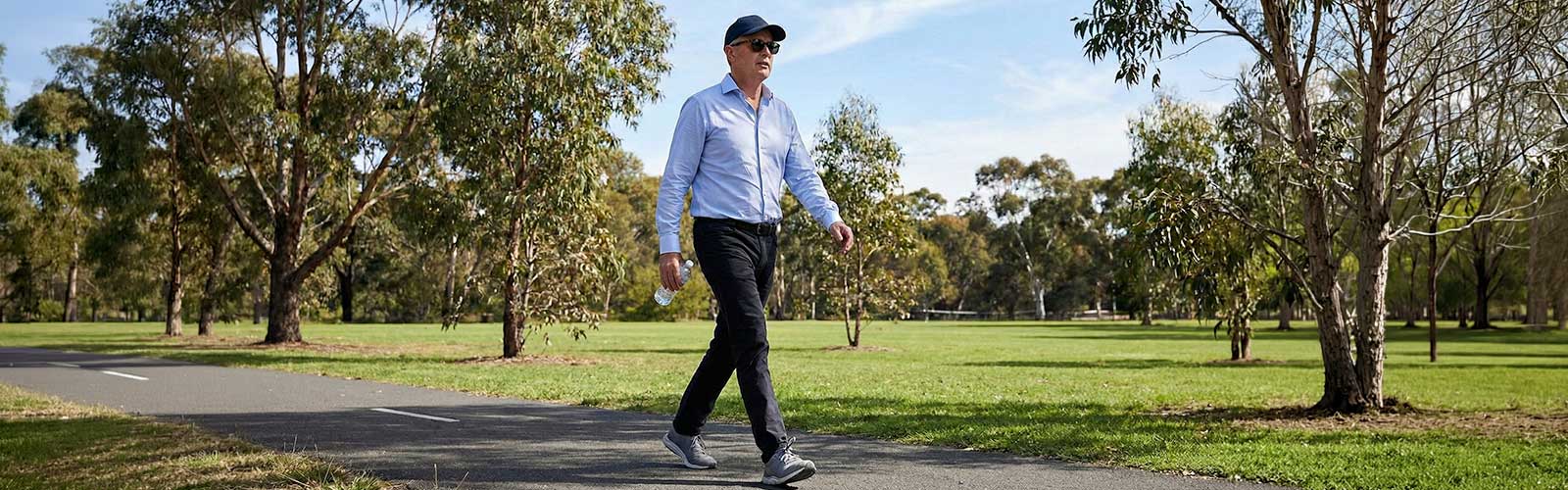
For most over-40 bodies and joints, brisk walking is the easiest lever to pull and keep. Think a pace where you can still talk but not sing. Spread it through the week — short, regular walks beat a single long weekend effort — and you’ll notice steadier post-meal readings and a calmer HbA1c trend over a few months. If you already walk, add gentle progress: one extra minute here, a slightly quicker lap there, or a second short walk after dinner. Back-to-back days help because each bout of walking “tops up” your insulin sensitivity.
HIIT: small pushes, big payoff
High-intensity intervals don’t mean sprinting until you’re sick. For most people we start with controlled, short pushes separated by easy cruising. On a flat path or bike, warm up well, then do a minute a little harder followed by two minutes easy, repeated a handful of times. Those brief pushes recruit more muscle, improve cardiorespiratory fitness and can be especially effective for HbA1c when you’re time-poor. If you use insulin or certain diabetes medications, talk to your GP and your Exercise Physiologist first so we can tailor timing, intensity and hypo prevention.
Resistance training: the overlooked glucose sponge
Stronger muscles draw in more glucose during and after training, and they keep doing it as long as you lift consistently. Two or three whole-body sessions each week is a sweet spot. We focus on patterns you actually use — squat to a chair, hinge for picking things up, push and pull for upper-body, plus loaded carries — using loads you can control while breathing steadily. Over twelve weeks you’ll feel everyday life get easier, and your glucose numbers usually follow.
What works best for HbA1c?
In practice, the combination wins. Brisk walking most days builds a reliable base. Short, well-paced intervals add an extra nudge for fitness and glucose control. Strength training twice a week makes the effect stick by giving you more active muscle to park glucose. You don’t need to overhaul your life in a week — pick one piece you can start today, then layer the others in as your confidence grows.
How to start without flare-ups or hypos
Begin with sessions you could repeat tomorrow. If you’ve been inactive, start with ten to twenty minutes of easy walking after meals and build by small steps each week. Add intervals only when your base feels calm, and keep the “push” controlled enough that you recover quickly. Lift with smooth tempo and steady breathing — no breath-holding. If you use insulin or sulfonylureas, keep hypo snacks handy, consider a small pre-session carbohydrate if you’re trending lower, and check your levels before and after until you know your pattern. If you live with peripheral neuropathy, choose flatter paths, grippy footwear and a coach who watches foot mechanics and skin care.
Fuel, timing and sleep — the quiet helpers
A short walk soon after meals blunts glucose spikes beautifully. Hydration matters on hot days, especially in summer. Sleep moves the needle more than most people expect — steadier nights make steadier mornings. Alcohol, caffeine timing and high-salt convenience foods can muddy the water; nudging the week toward whole foods and regular meals makes your training work harder for you.
Why 1-on-1 with an Exercise Physiologist helps
Generic programs don’t know your history, medications, joint niggles or weekly stress. In a one-on-one session we test what matters — walk tolerance, heart-rate response, strength, balance — and set safe training zones. We blend brisk walking, truly “doable” intervals and joint-friendly strength, teach breathing so effort stays calm, and adjust the dose on the day around sleep, work and blood glucose trends. We collaborate with your GP or specialist when needed and track objective changes: longer walks before fatigue, smoother post-meal readings, stronger sets and a gentler HbA1c over time.
A realistic twelve-week arc
Weeks one and two build rhythm: regular post-meal walks and two short strength sessions you could do on your worst day. Weeks three to six add gentle intervals to one walk and a little range or load to strength — never all the levers at once. Weeks seven to twelve polish consistency, add a third walk or a few extra minutes where appropriate, and keep strength calm but progressive. The goal isn’t exhaustion; it’s repeatable work that your body thanks you for tomorrow.
You don’t need perfect motivation or a perfect plan. You need one step you can take today, another next week, and a coach who meets you where you are. Brisk walking most days, small doses of intervals, and twice-weekly strength — that’s the mix that moves HbA1c and gives you energy to live the life you want.